## Market Snapshot
Iran’s labeling of the UAE as an “Israeli proxy” has heightened tensions in the Gulf region. Markets for Iranian military action against neighbors are priced at 100% YES, indicating a strong expectation of ongoing military strikes. Meanwhile, the likelihood of Iran closing its airspace by May 8 is priced at 16% YES, with a potential increase to 38% YES by May 31.
## Key Takeaways
– Iran’s rhetoric appears to suggest increased military tensions with the UAE, consistent with scenarios of military action. – The possibility of Iran closing its airspace appears to increase as regional tensions escalate. – The current geopolitical climate suggests that Iran may continue its aggressive posture in the Gulf region.
## Article Body
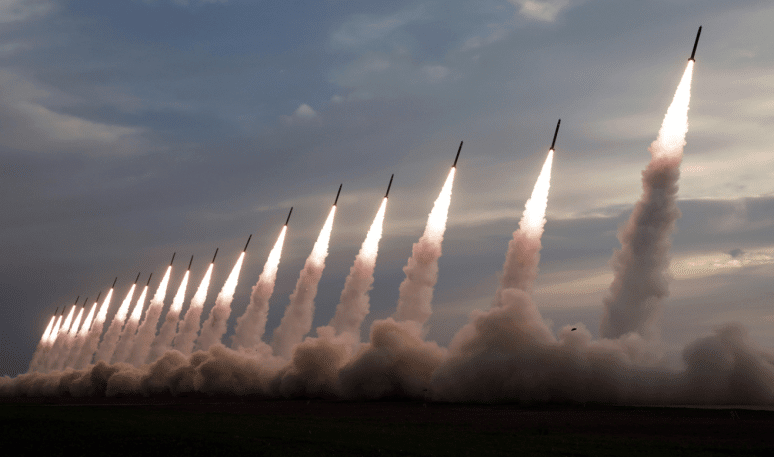
Iran has sharply criticized the United Arab Emirates (UAE), labeling it an “Israeli proxy” in the Gulf and issuing a stern warning that Tehran will not tolerate such alliances. This statement reflects the broader geopolitical shifts occurring in the region, with the UAE aligning more closely with Israel and Western powers. The situation is compounded by the ongoing Iran War, which has seen direct Iranian missile and drone strikes on UAE infrastructure. The UAE has responded by denying involvement in offensive operations against Iran and cracking down on Iranian financial networks. Despite these tensions, the UAE has exited OPEC+ and criticized the Gulf Cooperation Council’s (GCC) perceived weakness. This development marks a significant escalation in the psychological and military dynamics in the Gulf.
## Market Interpretation
The market’s current pricing of 100% YES for Iranian military action against its neighbors reflects a high-impact indicator that participants expect continued military engagements. The heightened rhetoric from Iran may indicate a likelihood of further military actions, which aligns with the current market pricing. Meanwhile, the potential for Iran to close its airspace by the end of May is seen as a moderate-impact scenario, with market pricing suggesting increased uncertainty in the region.
## What to Watch
Observers should monitor statements from key Iranian figures such as Ali Khamenei and military leaders for further indications of military action. Additionally, any announcements from Iran’s Civil Aviation Organization regarding airspace closures could indicate heightened tensions. The response of the UAE and other GCC states will also be critical in assessing the potential for conflict escalation in the region. International diplomatic efforts or sanctions could further influence market dynamics and regional stability.
Get prediction market intelligence as a structured API feed. Early access waitlist.