Key Takeaways
- The collapse of Paraguay’s Ueno Bank stranded millions in deposits and sparked violent street protests.
- Central bank head Carlos Carvallo resigned amid public outrage over lax oversight and ties to Ueno.
- Lawmakers rejected President Peña’s resignation, voting instead to impeach him over his bank links.
Ueno Bank Fall Unleashes Government Crisis in Paraguay
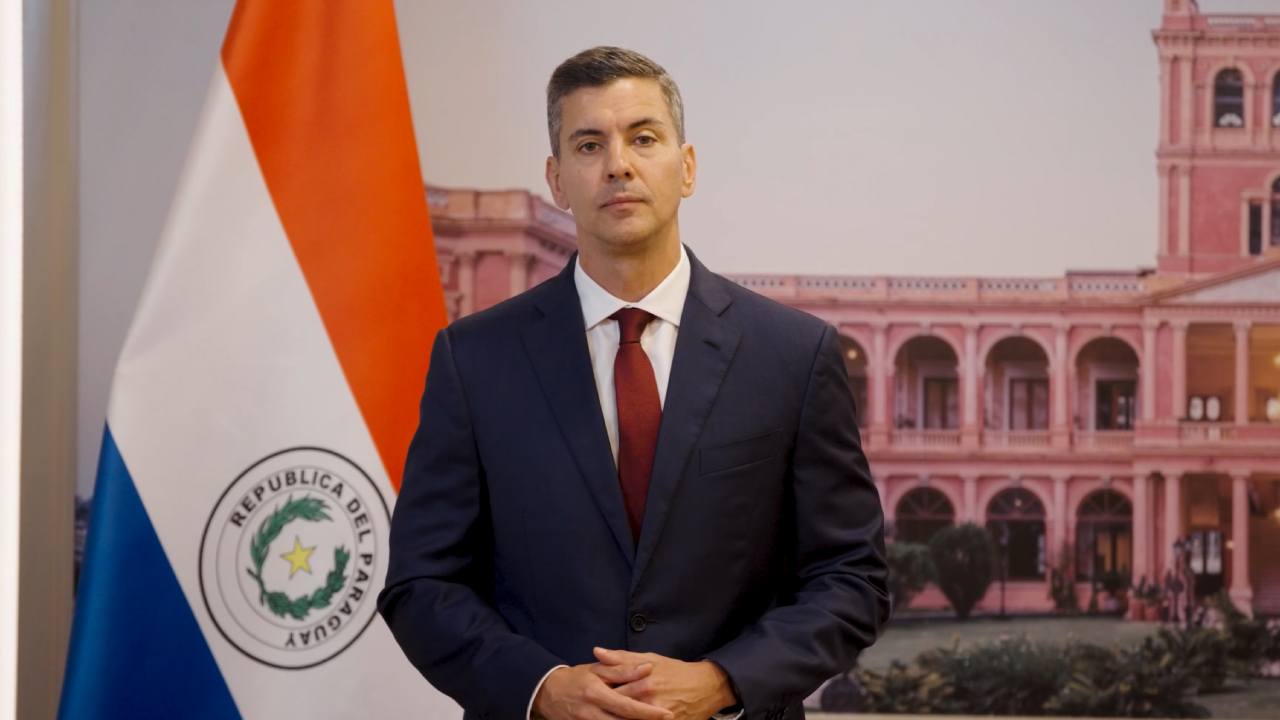
The fall of one of the most important digital banks in Paraguay, Ueno Bank, has led to a possible impeachment of President Santiago Peña and the resignation of Carlos Carvallo, former head of the central bank, both with ties to the disgraced institution.
Ueno Bank, which had nearly 3 million customers in the country and managed nearly $380 million in pension funds, had its assets seized by the central bank on Monday, after the bank’s solvency ratio fell below 50% of the required capital levels to operate, leaving 9% of the Paraguayan banking system deposits in limbo.
While central bank president Carlos Carvallo tried to downplay the relevance of Ueno Bank at the start, stressing that the event was isolated, the fallout would take Paraguayans to the streets to protest the action and the lack of supervision that public officials exercised over Ueno, which had ties to both President Santiago Pena and Carvallo.
The central bank’s warrant funds cover up to $38,600 per person or institution, allowing most savers to collect their funds, leaving other large savers and institutions like the public pension funds and the national power company ANDE out of this resolution and awaiting the auction of quality assets to collect their insurance.
Peña was linked to Ueno through Grupo Vázquez, the bank’s majority owner. Peña publicly acknowledged that he was a shareholder in Grupo Vázquez until 2025, when he sold his stake. Carvallo led Ueno before serving as central bank chief.
Things Get Hot
While the central bank insisted the event was not part of a structural banking crisis, Ueno’s savers, including pensioners, were still affected when the bank went dark, even though the warrant fund covered most funds belonging to private customers.
This caused protesters to take to the streets and clash with local police in Asuncion, as they called for a rapid resolution of the bank crisis and to receive their funds in other banking institutions.
The investigation into Ueno revealed that the bank had been maintaining a poor record of its loans to Grupo Vázquez and had kept poor accounting, registering some expenses as assets.
This probe resulted in the arrest of eight Ueno executives, including founder Miguel Vasquez and current head Juan Manuel Gustale, with prosecutors charging 27 bank officials with several criminal offenses.
Political Fallout
The event put the spotlight on the links that Peña and Carvallo had with Grupo Vázquez, who were accused of having conflicts of interest and having lax supervision of the bank’s activities.
In the wake of Ueno’s demise and to quell criticism, Peña asked Carvallo to step down from his position at the central bank on Tuesday to allow the institution to carry out its work without dealing with the baggage of his links to Ueno.
While Peña agreed to fast-track the resolution of the conflict, introducing legislation that would allow for emergency payments to the bank’s customers, it was not enough to quell ongoing criticism of his government for steering public funds to the bank.
The President Resigns
As attention moved toward himself, with his own party calling to probe his ties to Ueno, Peña resigned, stressing that he was doing it to ensure the nation’s stability, social peace, and to preserve the country’s democratic institutions.
On social media, Peña asked for forgiveness from the Paraguayan people. “It was never my intention to defraud the confidence that the people put in me,” Peña said.
“No position is more relevant than the republic’s stability; no person is more important than Paraguay,” he concluded.
Nonetheless, even his resignation was unable to satisfy his critics, as both houses of the Paraguayan Congress declined to accept his resignation, as it would allow him to have access to a lifelong Senate seat offering immunity from a criminal conviction later on that could only be lifted by a parliamentary majority of two-thirds in the Senate.
What Comes Next
Shortly after his resignation attempt, the lower house of the Paraguayan Congress voted unanimously to impeach Peña, moving the impeachment motion to the Senate, where he could be stripped of his immunity in the face of upcoming criminal proceedings.
Peña stressed that he would exercise his right to a defense before Congress, not out of personal pride but “because being accountable and providing explanations is also a responsibility to the Paraguayan people.”
“I will cooperate fully with the competent institutions so that what happened is clarified, responsibilities are determined, and those who have broken the law answer to the courts,” Peña declared on social media.
Even so, he reiterated that the government’s priority should be to issue the relevant payments to savers who are still locked out of their funds. “The debate over my remaining in office cannot paralyze the solutions that affected families need,” Peña assessed.
Ueno’s bank fallout shows how quickly a financial crisis can turn into a major political upheaval when leaders have ties to these institutions, showcasing the fragility of financial systems that rely on trust in regulatory oversight to maintain stability.
The event also calls for an analysis of how bank failures could spark similar reactions in other latitudes, threatening the political stability of fiat systems facing these adversities, as analysts have called for fixing this problem before more banks fail.