Key Takeaways
- ECB President Christine Lagarde confirmed a 12-month digital euro pilot set to launch in late 2027.
- The digital euro aims to protect Europe’s monetary sovereignty against the rise of US-led stablecoins.
- Full rollout by 2028 or 2029 hinges on final regulatory approval from EU parliament and council negotiators.
Lagarde Reiterates Digital Euro Push At IMF Meetings
The European Central Bank (ECB) has reiterated its plan to launch a digital euro alternative in the next few years.
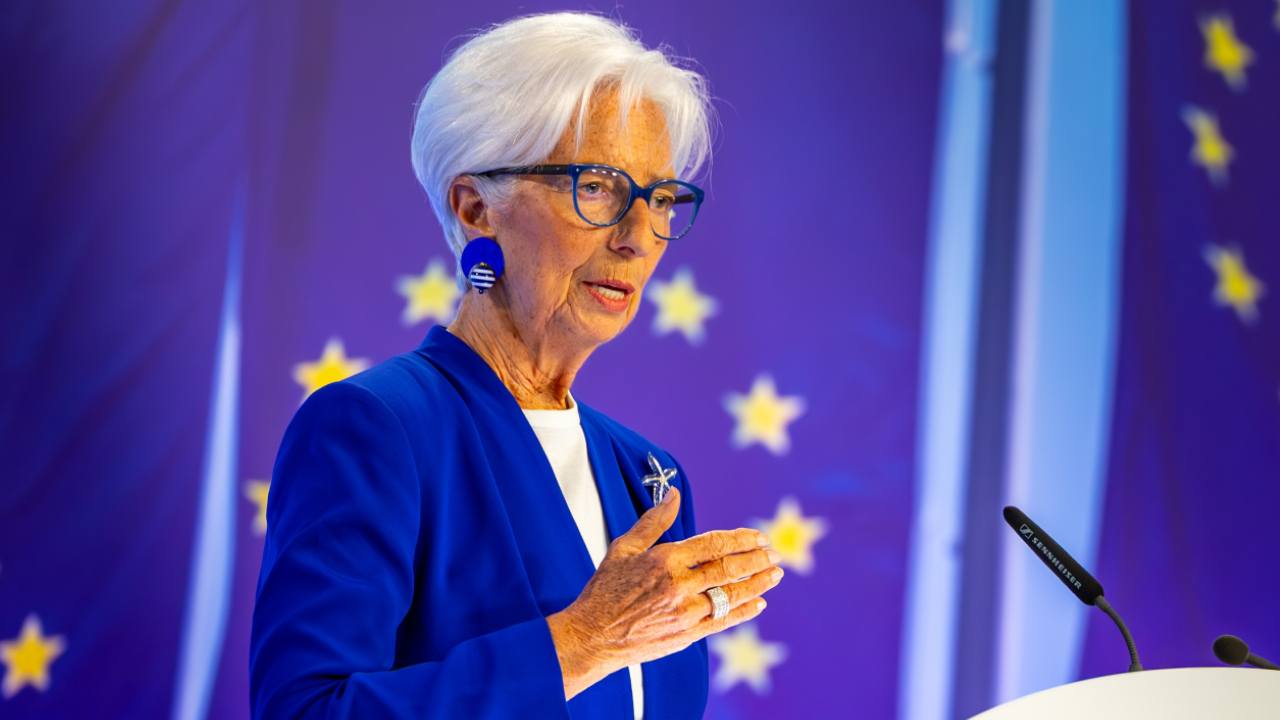
In a speech on October 17 addressing the IMF Annual Meetings in Bangkok, ECB President Christine Lagarde stressed that digital money should evolve to fulfill the needs of an increasingly digital economy, and that Europe was pushing this evolution through the digital euro, a planned bloc-wide central bank digital currency (CBDC).
Lagarde highlighted that the digital euro was conceived as a digital alternative to cash, which would stimulate innovation in the payments area while allowing Europe to retain sovereignty and strategic autonomy in the field.
“To lay the groundwork for a seamless and secure launch, we will run a 12-month internal pilot in the second half of 2027,” she declared, hinting at a possible bloc-wide launch of the digital currency in 2028 or 2029.
The bank had already announced that 36 payment providers would participate in this program, testing basic network features, including payments, account setup, merchant acceptance, and offline functionality.
Nonetheless, Lagarde stressed that adopting regulation to establish the digital euro across Europe was key before this could happen. In July, the EU Parliament moved a single currency package involving the issuance of the digital euro, the provision of digital euro payment services in countries outside the EU, and an additional cash and banknotes provision, into the negotiation phase. The final regulatory approval will have to be negotiated with the Council before coming into force.
The ECB has defended the role of central bank money as superior in the face of the rise of stablecoins, as stated by European Central Bank Executive Board member Isabel Schnabel in August. Lagarde herself has warned that large adoption of stablecoins as money proxies might precede the privatization of money, introducing systemic risks to the financial system, as central banks will have a limited ability to enforce effective monetary policies.
For this reason, the EU promotes the digital euro as a sovereign option to counter US-led stablecoins, with the Trump Administration promoting its development as a means of “protecting the sovereignty of the United States dollar,” as stated in Executive Order 14178, known as “Strengthening American Leadership in Digital Financial Technology.”