A Russian Shahed-type loitering munition struck a Chinese-crewed merchant vessel in the Black Sea near Odessa on May 18, according to the Ukrainian Navy. The ship, identified as the KSL DEYANG, was operating in the Greater Odessa corridor when it was hit, making it at least the third commercial vessel targeted in that stretch of water in recent weeks.
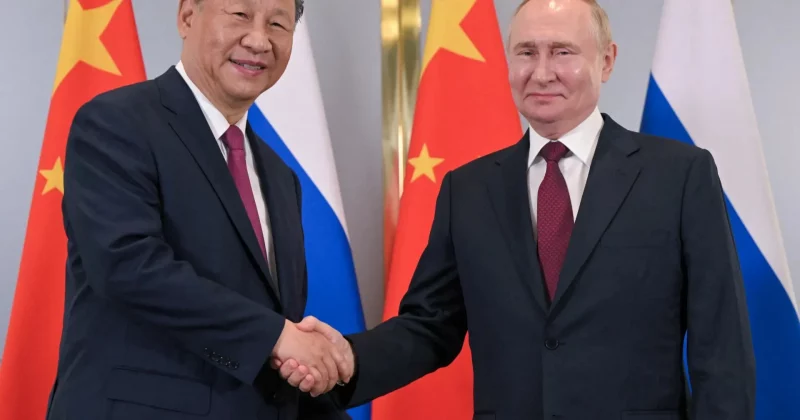
The timing is, to put it mildly, awkward. The strike landed just days before President Vladimir Putin is scheduled to meet Chinese President Xi Jinping in Beijing, a diplomatic summit meant to showcase the strength of the Russia-China partnership.
What happened and why it matters
The KSL DEYANG’s crew consists primarily of Chinese nationals, though the vessel has been linked to North Korean management. Russia hitting a ship crewed by citizens of its most important economic partner, with ties to another sanctioned ally, creates a diplomatic problem that no amount of careful messaging can easily smooth over.
“Russia once again demonstrates that its attacks pose a threat not only to Ukraine, now they are a risk even to its closest partners, whose ships are in the Black Sea,” the Ukrainian Navy said.
Previous strikes in the same corridor have already proven deadly. A Syrian crew member was killed in an earlier attack on a commercial ship, establishing a grim pattern of escalating risk for anyone moving cargo through the region.
The broader trade and sanctions picture
North Korea, which appears connected to the management of the struck vessel, has been one of the most aggressive state-level users of crypto for sanctions evasion, with groups like Lazarus Group responsible for billions in stolen digital assets over the past several years.
China banned domestic crypto trading and mining in 2021, though Chinese entities continue to play a significant role in global crypto markets through offshore operations and over-the-counter trading desks. The digital yuan (e-CNY) has also been positioned as a tool for cross-border trade settlement, particularly with partners who face friction in the dollar-dominated financial system.
What this means for investors
If this attack creates genuine friction between Moscow and Beijing, even temporarily, it could complicate the sanctions evasion networks that both countries have been building. Russia relies on Chinese financial institutions and intermediary countries to move money outside the Western banking system.
Increased scrutiny of sanctioned shipping and trade routes tends to bring more regulatory attention to crypto’s role in those networks. US and EU regulators have been tightening the screws on crypto compliance, and a high-profile incident involving Chinese, Russian, and North Korean interests is exactly the kind of event that generates new enforcement actions.
Then there is the Putin-Xi meeting itself. If the summit proceeds as if nothing happened, it signals that Russia’s reckless military behavior carries no consequences even with its closest partners. If there is visible tension, it could signal a subtle realignment that reshapes how sanctioned trade flows operate, potentially accelerating the shift toward digital and decentralized payment rails.