Key Takeaways
- Meta targets up to $145B in AI by 2026 after 8,000 layoffs and a major workforce reshuffle.
- Zuckerberg wants Meta AI gains in 3 to 6 months as Big Tech’s AI race intensifies.
- OpenAI, Google and Microsoft raise pressure as Meta races to deliver AI agents by 2026.
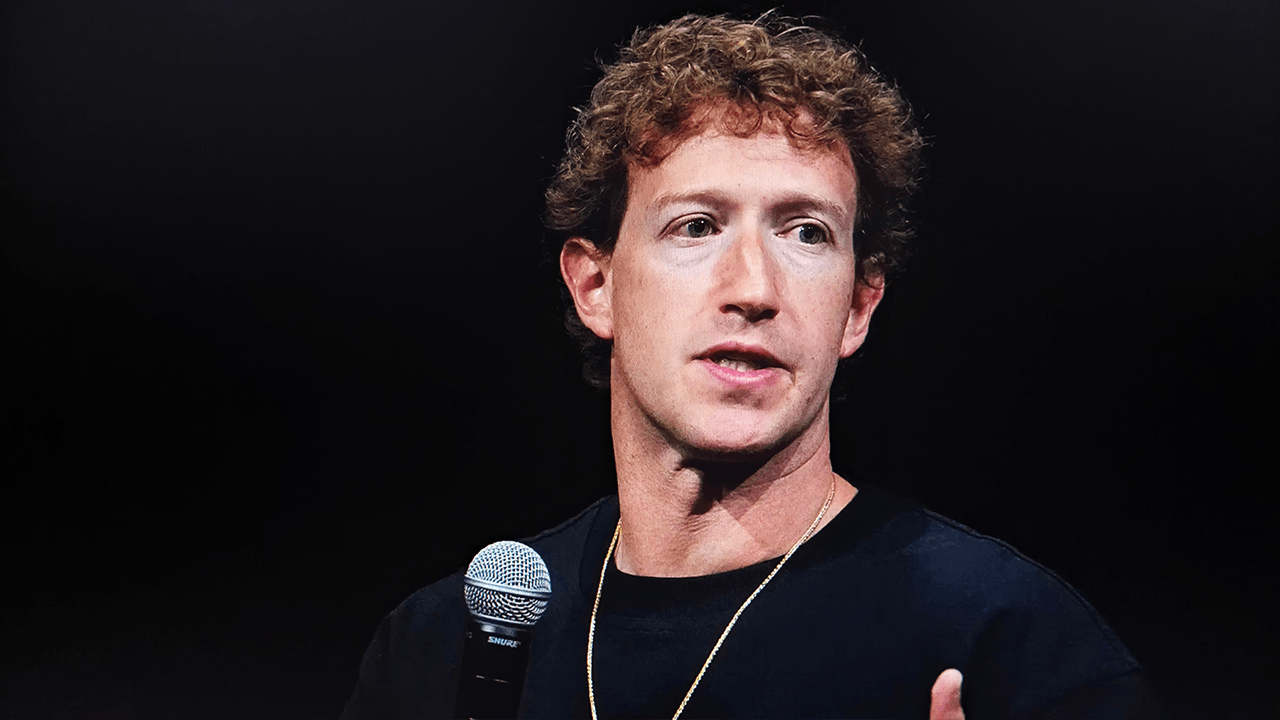
Inside Meta, the big worry is not whether AI is the future, but whether the company can move at the pace its CEO thinks the moment demands. Mark Zuckerberg, speaking in a recent internal meeting reported by Reuters and picked up by TechCrunch, said he is unhappy with how long key AI work is taking even as spending is set to reach as much as $145 billion in 2026. The impatience is landing after brutal organizational churn: 8,000 layoffs and 7,000 reshuffled into an “Agent Transformation” group meant to force faster execution. Zuckerberg is betting the upheaval starts showing measurable progress within the next three to six months.
Meta has spent the past couple of years telling Wall Street it will be an AI-first company, with new assistants, new ad tools, and ultimately software “agents” that can take on real work. Last week, that storyline got a more human footnote. In a candid internal meeting, a frustrated leader reminded employees that money and momentum are not the same thing.
Mark Zuckerberg’s growing unease with Meta’s AI journey
According to reports of the meeting, Mark Zuckerberg, CEO of Meta, told staff he worries the company is not adapting fast enough to a world increasingly run by AI-driven operations. The striking part was not that Meta has ambitions, it is that the pace has disappointed the person who set them. Internally, the push to build and deploy AI agents has been more laborious than leadership expected.
That matters because Meta’s business has to keep humming while it rewires itself. Ads still pay the bills, but the company has also promised an AI future where tools do more than generate text or images. Can Meta build those systems quickly enough to justify the bet?
Massive investments meet restructuring hurdles
Meta is backing its intentions with spending. The company is projected to pour up to $145 billion by 2026 into AI development and infrastructure, a level of capital intensity that puts it in the same conversation as other hyperscalers racing to stockpile chips and data centers.
Yet the organization has been churning. Meta recently laid off 8,000 employees, roughly 10% of the workforce, and reassigned 7,000 more into new roles, many tied to a group called Agent Transformation. Zuckerberg reportedly acknowledged the reshuffle was not as clean as it should have been, but defended the underlying logic: in a fast cycle, inertia is its own risk.
A tight window for results in a high-stakes race
Zuckerberg also put a clock on the effort. He told employees he expects tangible progress within 3 to 6 months, an unusually specific timeframe for work that often slips into research timelines. It effectively turns a long-term platform transition into a near-term execution test, especially for engineers moved onto new teams midstream.
Reports have described parts of Meta’s AI unit as intense and exhausting, a familiar symptom when companies try to “run hot” while still shipping products at scale.
What Meta’s tension says about Big Tech right now
As Reuters reported and outlets such as TechCrunch amplified, Zuckerberg invoked the Red Queen idea: you have to keep running just to stay in place. This is the case across Big Tech, where OpenAI, Google, and Microsoft are also sprinting to turn model demos into dependable systems customers will actually pay for.
Meta’s challenge is simple to describe and hard to pull off: spend like a leader, reorganize like a startup, and still deliver on schedule.